
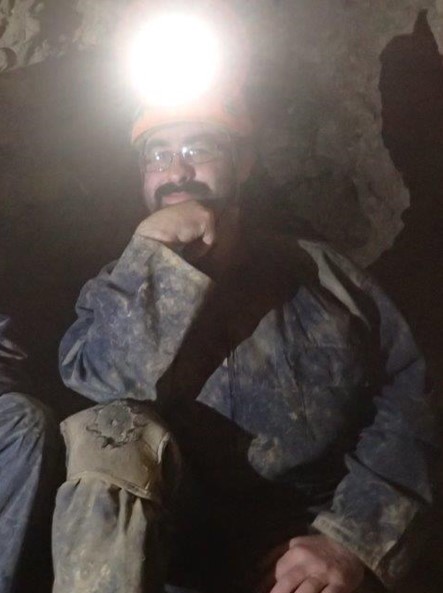
I am interested in how the Earth works. I’ve always followed my curiosity, and at different times have looked at movement of water between ocean basins, recolonisation of the tops of marine avalanches by microorganisms, how petrifying springs work, cleaning up hyperalkaline pollution, rainfall changes in northern Africa and the Mediterranean, icebergs in the North Pacific and the carbon flow between bedrock and surface water. Surprisingly, I’ve been using the same tools in all these studies, through investigating the chemistry of sediment, especially limestone and similar carbonate bodies. Carbonate makes up the shells of microorganisms I use to study changes in the ocean, are the major mineral forming in freshwater springs, rivers and lakes, forms a sink for hyperalkaline pollution and carries most of the inorganic carbon in the Earths crust. Carbonate geochemistry is a really diverse area to work in, and there are always surprising new things to learn!
PhD August 31 2003

Following the success of a Law in the Community project, Northumbria University is expanding…
The North East Space Communications Accelerator (NESCA) has successfully awarded its first…
The inaugural cohort of Civil Engineering degree apprentices have graduated from Northumbria…

One year after Northumbria University was announced as the lead research partner on the 2026…

The role the space sector is playing in driving economic growth in the UK was highlighted this…

A Northumbria University student has designed and delivered his own course in street art, culminating…

Newcastle Cathedral
-

City Campus East, Northumbria University CCE1-403
-

The Great Hall
-

Northumbria University
